
Sandplay therapy, while often associated with children, is a powerful modality for adults seeking to regulate their nervous system, process trauma, and access deep healing. As a therapist, understanding the unique interplay between sand, hands, figurines, and the nonverbal process is crucial to facilitating this transformation.
Why Sand? The Sensory Gateway to Regulation the Nervous System
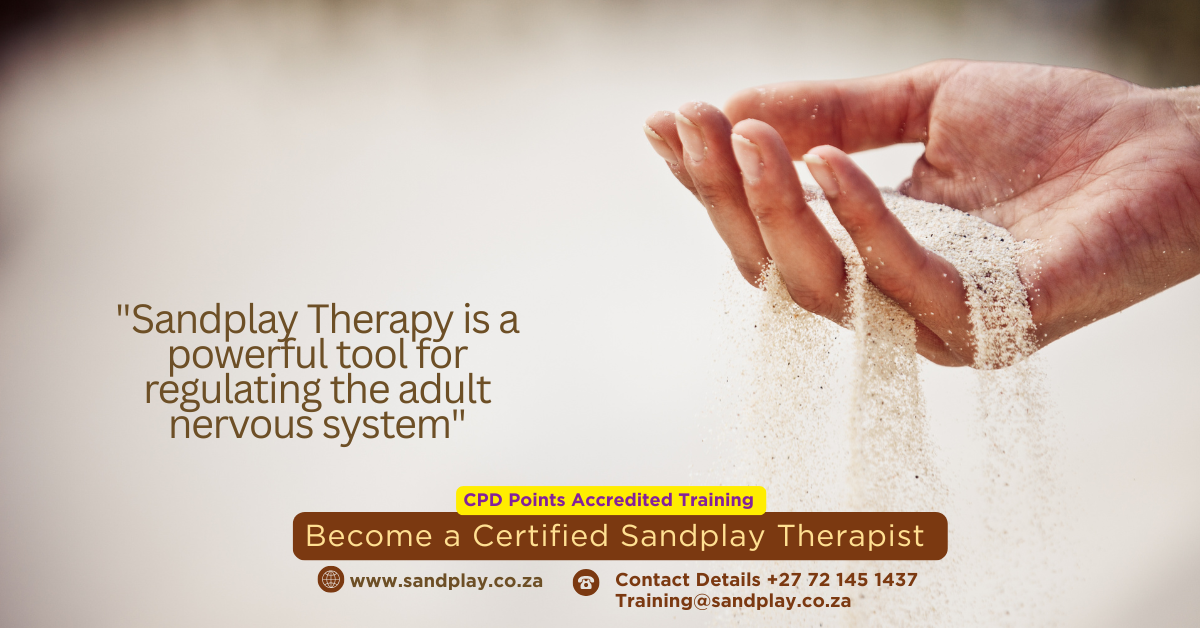
Sand is not just a medium—it is a multisensory experience that grounds clients in the present moment. The tactile sensation of running hands through sand, shaping it, or simply letting it sift through fingers provides immediate sensory feedback. This sensory engagement is vital for nervous system regulation, especially for adults who may be disconnected from their bodies due to stress or trauma. The sand’s texture, temperature, and malleability create a safe, contained environment where clients can externalize inner chaos and begin to self-soothe.
Research has shown that sandplay therapy can lead to measurable improvements in anxiety and even promote neurophysiological changes in the brain, particularly in regions responsible for processing sensory input and regulating the nervous system stress response. By engaging the senses, sandplay therapy helps calm the limbic system—the emotional center of the brain—allowing clients to move from a state of hyperarousal to one of safety and integration.
The Hand: Instrument of Creation and Expression
The hand is central in sandplay therapy, serving as the bridge between internal experience and external expression. Through the hands, unconscious material finds form in the sandtray. This process is more than symbolic; it is embodied. As clients scoop, pat, dig, and sculpt, they are quite literally “laying claim” to their space and experience, which can be profoundly empowering.
The use of hands in sandplay is rooted in Jungian psychology, which holds that “often the hands know how to solve a riddle with which the intellect wrestled in vain.” When words fail or conscious defenses are high, the hands can bypass cognitive barriers, allowing the unconscious to speak through movement and touch. This direct engagement fosters self-regulation, as the act of creating in the sand can be soothing, grounding, and even meditative.
Figurines: Giving Shape to the Unspoken
The selection and placement of figurines in the sandtray is a deeply personal, nonverbal process. Each miniature—be it a person, animal, or abstract symbol—serves as a vessel for feelings, memories, and conflicts that may be difficult or impossible to articulate. The figurines become living symbols, representing aspects of the client’s inner world and facilitating a dialogue between the conscious and unconscious.
For adults, this symbolic play allows for the safe exploration of complex emotions such as grief, longing, aggression, love, and fear—often without the need for words. The act of arranging and interacting with figurines in the sandtray externalizes internal struggles, providing the psychological distance necessary for reflection and integration. Therapists observe this process, noting patterns, themes, and shifts that may indicate movement toward healing.
The Nonverbal Process: Healing Beyond Words
One of the most profound aspects of sandplay therapy is its nonverbal nature. Many adults struggle to articulate their deepest pain or may have learned to suppress emotions to cope with life’s demands. Sandplay offers a unique therapeutic space where healing can occur without the pressure to “talk it out.” Instead, clients communicate through symbols, gestures, and the creative process itself.
This nonverbal approach taps into the body’s innate wisdom and the psyche’s natural drive toward wholeness and regulating the nervous system. By bypassing the analytical mind, sandplay therapy allows for the direct expression and resolution of trauma, anxiety, and dysregulation. The therapist’s role is to hold the space, witness the unfolding process, and gently guide clients toward insight and integration as themes emerge.
Conclusion
From a therapist’s perspective, sandplay therapy is a powerful tool for regulating the adult nervous system. The sand provides a sensory anchor, the hands serve as instruments of creation, and the figurines offer a symbolic language for the unspoken. Through this nonverbal, embodied process, adults can safely explore, express, and ultimately transform the emotional and physiological imprints of their past, paving the way for greater self-regulation and healing.
Follow Me on Facebook.
Resources:
-
Psychology Today. “Sandplay Therapy.”
Explains the nonverbal, symbolic, and sensory aspects of sandplay therapy for adults, including its historical roots and therapeutic process. -
American Psychological Association. “Can sandplay therapy change the brain as it reduces anxiety? A case study.”
Details research on the neurophysiological effects of sandplay therapy, highlighting its impact on anxiety and brain function. -
Quenza. “Healing Through Play: Exploring the World of Play Therapy for Adults.”
Outlines sandplay therapy techniques, benefits, and its use for accessing unconscious material and facilitating self-regulation in adults. -
Homeyer, L. E. & Sweeney, D. S. “Sandtray Therapy: A Practical Manual.”
A comprehensive guide to sandtray therapy, including protocols, case examples, and a brain-based perspective on why sand and miniatures are effective. -
ThePlayTherapist.com. “Play Therapy with Adults.”
Discusses the unique aspects of using sandplay with adults, including the role of miniatures, the sandtray, and the process of nonverbal healing

Comments are closed